
Free Form vs. Geometric: How Your Yard’s Shape Should Drive Your Pool’s Design
One of the first major decisions in any custom gunite pool design is also one of the most consequential: free form or geometric. Both styles are fully achievable in gunite construction, since the material sprays into virtually any shape a design calls for. The right choice usually has less to do with personal taste alone and more to do with the actual shape, size, and layout of your yard. Here’s how to think through that decision before you fall in love with a photo online that may or may not fit your property.
What Actually Defines Each Style
Geometric Pools
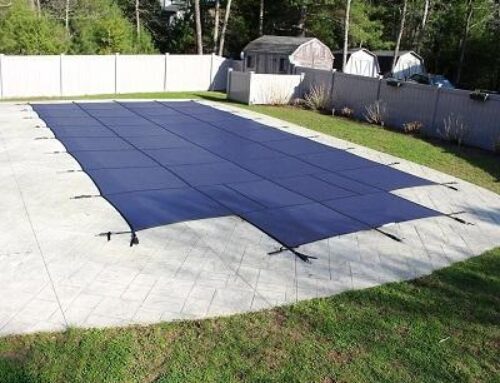
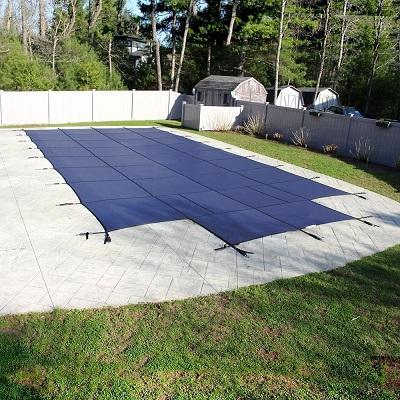
Geometric pools use straight lines, defined angles, and symmetrical or rectangular forms, whether that’s a classic rectangle, an L-shape, or a more complex angular design. The clean lines tend to pair naturally with modern architecture and formal landscaping.
Free Form Pools
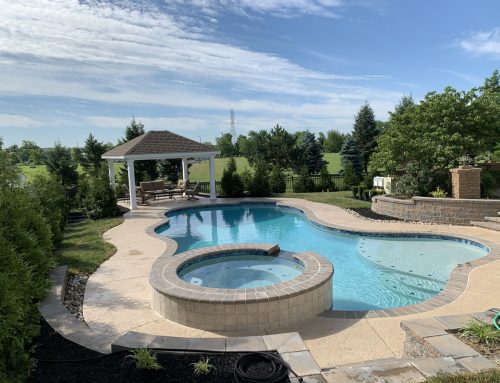
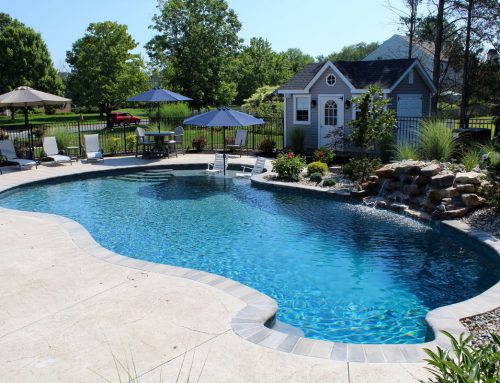
Free form pools use curved, organic shapes without straight edges, often designed to mimic a natural pond or lagoon. These designs tend to pair well with more relaxed, naturalistic landscaping and irregularly shaped properties.
Let Your Yard’s Actual Shape Lead the Decision
Narrow or Rectangular Lots
On a narrow yard, particularly one bordered closely by fencing or a property line on both sides, a geometric design typically makes far more efficient use of available space. Straight edges let you maximize swimmable area and usable decking without wasted, awkward corners that a free form shape would create in a tight rectangular footprint.
Irregularly Shaped or Sloped Yards
Yards with irregular property lines, mature trees to build around, or noticeable slope often suit a free form design better, since curved edges can follow the natural contours of the space rather than fighting against them. A geometric pool forced into an irregular yard can end up feeling like it’s competing with the landscape instead of complementing it.
Larger, Open Yards
On a larger property with plenty of open space, either style works well, and the decision comes down more directly to personal preference and how the pool will relate to existing landscaping, patios, or a view from the house.
Consider How You’ll Actually Use the Space
Geometric shapes, particularly rectangles, tend to work better for lap swimming, water sports, or any use where clean, consistent depth and a straight swim path matter. Free form pools tend to prioritize lounging, entertaining, and a more resort like feel, often incorporating features like tanning ledges, coves, or attached spas more naturally into the curved layout.
Families who host frequently should also think about how each style handles deck flow. Geometric pools tend to create clearly defined zones along each straight edge, which works well for lining up loungers or setting up a dining area a consistent distance from the water. Free form pools create pockets and coves along the deck that can feel more intimate, with different seating areas tucked around the curves rather than lined up in a row.
Both Styles Are Fully Achievable in Gunite
Because Arista Pool & Spa builds exclusively with gunite rather than shockrete or vinyl liner systems, neither style is a compromise. Gunite is hand applied, which means our crews can sculpt tight, precise geometric angles just as effectively as sweeping free form curves. The material never limits the design decision, so this choice can be based entirely on what actually fits your yard and your lifestyle.
See Both Styles Applied to Your Own Yard
The best way to know which style genuinely fits your property is to walk through your yard with our design team and see both options mapped onto your actual space during a 3-D design consultation. Arista Pool & Spa offers free estimates for every project, whether you already know which style you want or need help deciding. Contact us today to schedule your consultation, or visit our state-of-the-art showroom to see completed free form and geometric pools before making your decision.